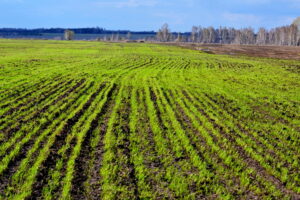
Why Hydroseeding is the Preferred Choice for Erosion Control and Land Rehabilitation Hydroseeding is increasingly recognized as a go-to solution for erosion control and land rehabilitation, especially by professionals who understand the importance of blending efficiency with environmental sustainability. In this method, not only are seeds and mulch critical components, but the inclusion of mycorrhizae…

Examples of Microbes Known for their Beneficial Effects on Plant Growth
Examples of Microbes Known for their Beneficial Effects on Plant Growth The following microbes help with plant growth by producing a wide range of bioactive compounds. These are soil bacteria that are well-known for their ability to produce a wide range of bioactive compounds, including antibiotics and plant growth-promoting substances. They can help plants by…

The Use of Beneficial Bacteria in Agriculture and Wastewater Treatment
The Use of Beneficial Bacteria in Agriculture and Wastewater Treatment: Boosting Plant Resilience, Soil Health, and Sustainable Practices The role of beneficial bacteria in promoting plant growth, improving soil health, and enhancing wastewater treatment has gained significant attention in recent years. These microorganisms, often referred to as plant growth-promoting rhizobacteria (PGPR) or beneficial microbes, play…
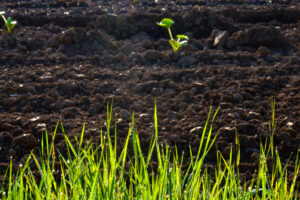
Understanding the Practice of Sequestering Carbon through Soil Microbes
Understanding the Practice of Sequestering Carbon through Soil Microbes Sequestering carbon through soil microbes involves enhancing the ability of microorganisms in the soil to capture and store carbon from the atmosphere. This can be achieved through practices such as no-till or reduced tillage farming, cover cropping, crop rotation, and the addition of organic amendments to…